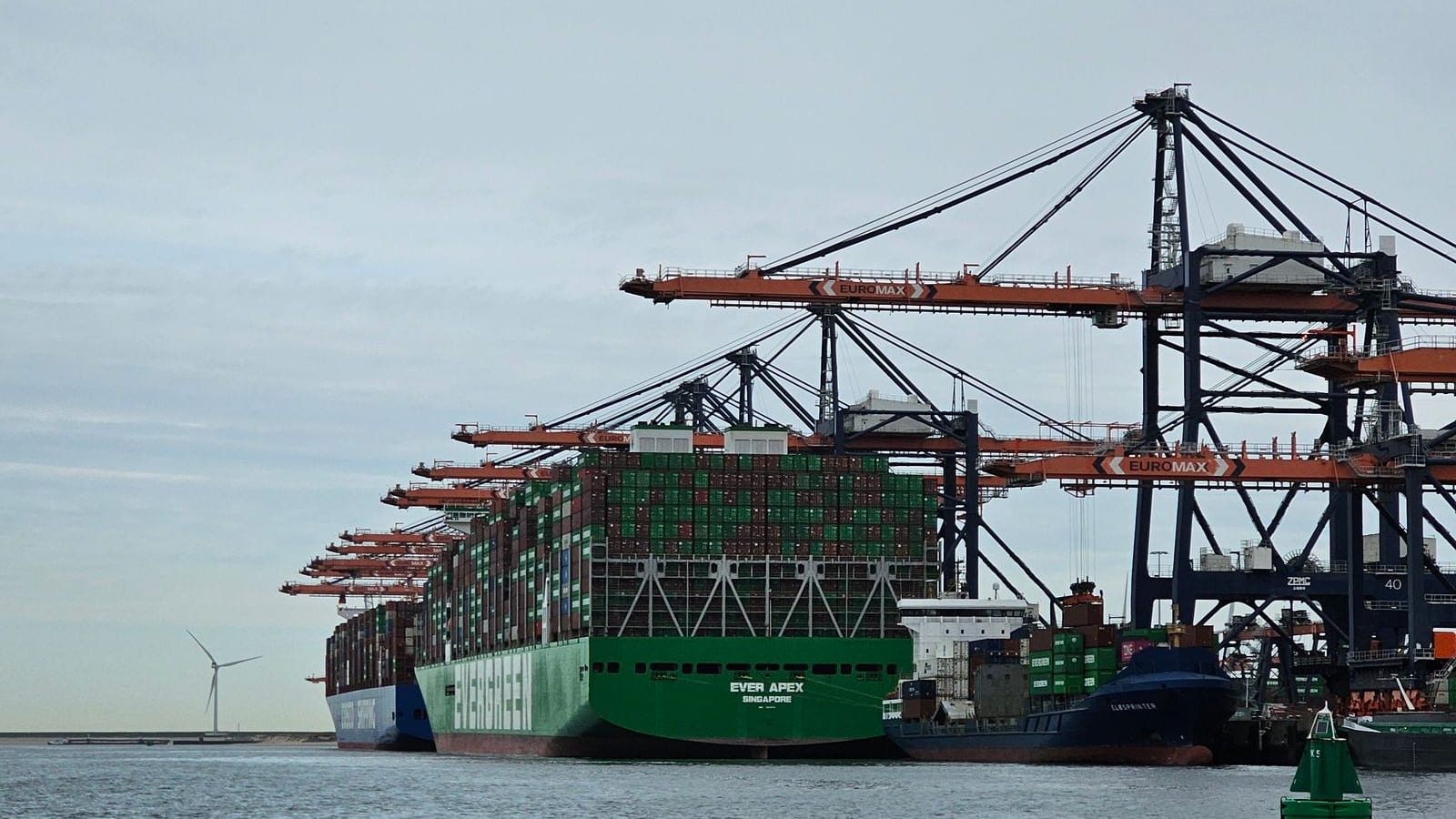
Importer eligibility
The consignee must be an Iranian registered importer with a valid commercial card and an active profile in the trade system. A Chinese seller cannot act as importer of record.
IRAN IMPORT & CUSTOMS GUIDE
Planning to import goods from China to Iran? Understand Iran's import requirements, restricted and prohibited goods, customs duties, VAT, required documents and shipping costs before you arrange your shipment with Chinrah.
Regulations change. Confirm the tariff line and the approval route for your product before dispatch.
Iranian import regulations, customs tariff classifications, product approval requirements and applicable trade restrictions may change. Import eligibility and documentation requirements depend on the product, HS code, importer status and the regulations in force when the goods arrive. Always verify the applicable requirements before dispatching your cargo. Applicable trade restrictions and carrier requirements should be reviewed before shipment arrangements are confirmed.
This page is a practical guide, not legal advice — the Iranian customs tariff and the relevant authority's current rules prevail.
01 · IMPORT REQUIREMENTS
Not every product enters on the same route. Eligibility depends on who imports, how the shipment is registered and which approvals the tariff line carries.
The consignee must be an Iranian registered importer with a valid commercial card and an active profile in the trade system. A Chinese seller cannot act as importer of record.
Commercial cargo usually moves against a registered import order tied to a proforma invoice, with the HS code, quantity and value agreed before dispatch.
Order registration fixes the tariff line, the quantity and the currency allocation that customs will compare against the cargo that actually arrives.
Telecom equipment, medical devices, food, cosmetics and some machinery need approval from the ministry or regulator that supervises the category.
The eight-digit tariff line decides duty, the approval route and whether the product may enter at all. Classify from the product, not from its name.
Licences, registrations and permits are issued to the Iranian importer. A missing approval is a refusal at the border, not a delay.

Chinrah arranges freight, export clearance and Iranian clearance on a power of attorney. We do not act as importer of record or hold an import licence for you.
02 · PROHIBITED & RESTRICTED
Four separate questions decide whether cargo can move: may it enter Iran, does it need approval, is it under special control, and will the carrier accept it?
Narcotics and precursor chemicals, weapons and ammunition, counterfeit and IP-infringing goods, alcohol and pork products, gambling material.
Cannot be imported. We decline these bookings.
Products that may enter only with a permit from the supervising authority: some food and cosmetic lines, medical devices, telecom equipment, certain chemicals.
Approval is issued to the importer before shipment.
Dual-use equipment, drones and sensors, high-specification machine tools and material subject to trade restrictions.
End-use, end-user and licence checks apply.
Batteries and dangerous goods, temperature-controlled cargo, oversize or heavy pieces, high-value goods.
Carrier acceptance and packing rules are confirmed per booking.
Import eligibility and carrier acceptance are two different checks. A product can be legal to import and still be refused by the airline, the shipping line or a border crossing — confirm both before you book.
03 · CUSTOMS DUTIES & VAT
There is no single import duty rate. The bill is built line by line from the tariff classification, the customs value and the taxes in force.
Charged on the customs value at the rate attached to the eight-digit tariff line. Rates differ widely between product groups.
Charged on the customs value plus duty, at the rate in force — commonly around 10% at the time of writing.
Some categories carry additional levies, while clearance, storage and inspection charges are billed alongside duty but are separate costs.
Customs values the goods on a CIF basis — goods, freight and insurance — and may question an invoice that sits far below comparable values.
The same product described differently can land in two tariff lines. Classification decides duty, approval route and eligibility.
One shipment, CIF value $10,000, an illustrative 15% duty line. The arithmetic is real; the rate is a placeholder.
| Line | Rate | Amount |
|---|---|---|
| Customs value (CIF) | — | $10,000 |
| Customs duty | 15% (example) | $1,500 |
| VAT base | CIF + duty | $11,500 |
| Value added tax | 10% (example) | $1,150 |
| Total duty and VAT | — | $2,650 |
Illustrative only. Real rates come from the tariff line for your HS code and the rules in force on the date of entry.
04 · REQUIRED DOCUMENTS
Document sets differ by product and mode, but these are the ones that stop most China–Iran shipments when they are missing or inconsistent.
Seller, buyer, exact description, HS code, quantity, unit price, Incoterm and currency. The value must match the registered import order.
Cartons, dimensions, net and gross weight, marks. This is what the warehouse, the carrier and customs count against.
The consignee must match the registered importer. A mismatch means the cargo cannot be cleared without an amendment.
Requested for some tariff preferences and for products where origin is verified. Issued in China before departure.
Order registration, ministry approval, telecom type approval or health registration — issued to the Iranian importer.
Test reports, health or phytosanitary certificates, MSDS for chemicals, and ISPM 15 treatment for wood packaging.
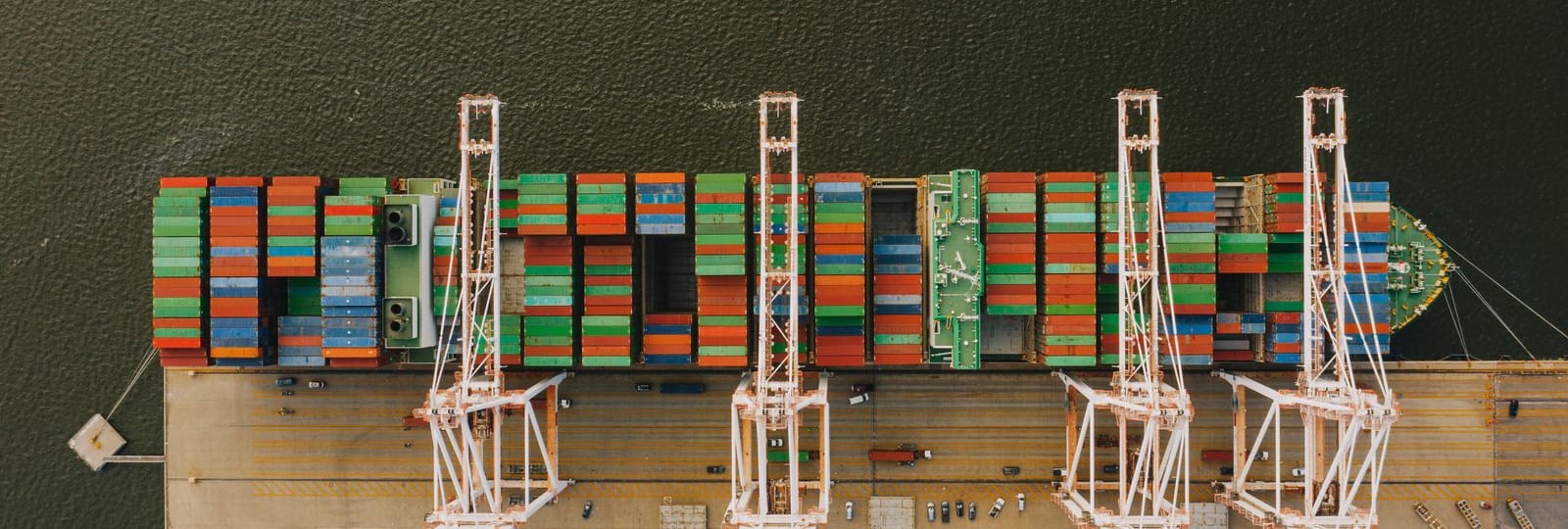
Tell us the product and the mode early: a rail or road shipment through Central Asia needs a different customs document trail from an ocean container arriving at Bandar Abbas.
05 · CLEARANCE PROCESS
Seven stages between a confirmed order and delivery. Most delays begin in the first three, before the cargo is even on a vessel.
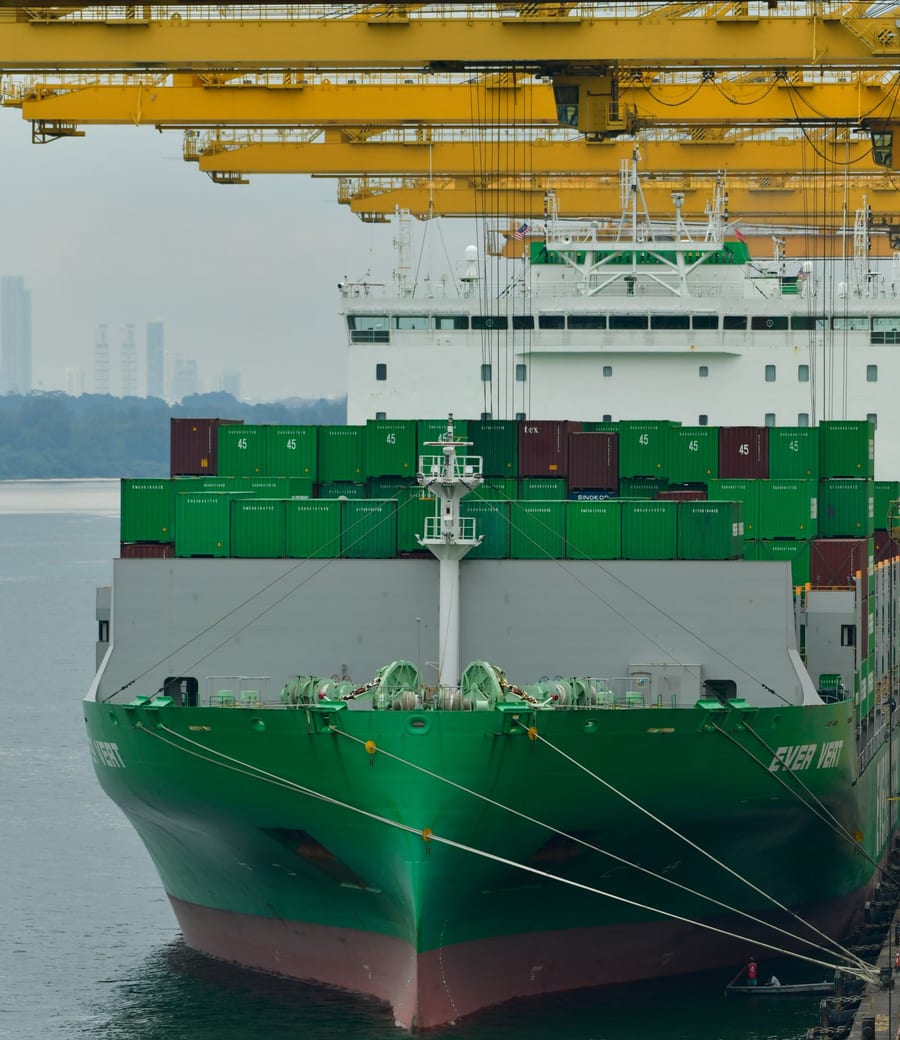
Describe the product, its material and its intended use, then agree the tariff line with the importer.
Confirm whether the product is permitted, restricted or needs an approval, and that the importer can register it.
Invoice, packing list, transport document, origin and product certificates, all consistent with the import order.
Sea, rail, road or air from the agreed Chinese origin, with the carrier and routing confirmed in writing.
The importer's broker files the declaration; customs assesses value, tariff line and eligibility.
Duty, VAT and clearance charges are paid before release — the importer's cost, not part of the freight rate.
Cargo leaves the port, border or airport for the destination city, or is collected by the importer.
Declaration and duty settlement happen in Iran, handled by the importer or their licensed broker. Chinrah can coordinate clearance on a power of attorney.
06 · SHIPPING COSTS
Freight is one line in the import budget, not the whole of it. Separate the transport price from the landed cost before comparing quotes.
Export declaration, handling, loading and trucking from the factory to the port, station or truck yard.
The rate for the mode: per kg for air, rail, groupage and DDP; per container for FCL; per trailer for FTL.
Border transloading for rail and road, terminal handling, documents and any transhipment along the corridor.
Port or terminal charges, storage beyond free time, inspection and broker fees at the point of entry.
Duty and VAT assessed on the customs value. Unless the booking is DDP, this is billed to the importer.
Inland trucking from the port or border to the consignee's address, including unloading where agreed.
| Mode | Transit | Rate from | Minimum charge |
|---|---|---|---|
| Air express | 5–8 days | $6.8 / kg | 45 kg |
| China–Iran rail | 18–25 days | $3.6 / kg | 200 kg |
| Truck groupage (LTL) | 15–22 days | $4.6 / kg | 300 kg |
| Full truck (FTL) | 15–22 days | $10,500 / trailer | 1 trailer |
| Sea FCL | 25–32 days | $1,150 / 20GP | 1 container |
| Sea LCL | 35–42 days | $78 / CBM | 1 CBM |
| DDP duty paid | 8–12 days | $9.2 / kg | 100 kg |
Reference rates in USD, used for planning. Duty, destination charges and inland delivery are excluded unless the booking is DDP.
Estimate freight, container loading and duty in the shipping tools
A DDP quote includes duty and destination costs; a port-to-port quote does not. Compare like with like, and ask what each quote leaves out.
07 · COST DRIVERS
Import cost moves with classification, value, shape, mode and destination — which is why a per-kilo rate alone never answers the question.
The tariff line sets the duty rate and the approval route; a reclassification can change both.
Duty and VAT scale with the declared CIF value, and customs can challenge an invoice that looks undervalued.
Air, rail and groupage bill on chargeable weight: 1 CBM counts as 167 kg by air, 200 kg by rail and 250 kg by truck.
Air is fastest and dearest per kilo; sea FCL is cheapest per tonne but slowest; rail and road sit in between.
Products needing a licence or type approval take longer and may require testing, registration or inspection.
Bandar Abbas, a Tehran warehouse or an inland city each add different inland and handling costs.
08 · BEFORE YOU SHIP
Each one exists because a shipment was stopped, re-priced or refused at the border for it.
Send us the product detailsSend the product, weight, volume and destination — we will confirm the route and what the documents need to show.
Product name, specification, material, intended use and the HS code you and the importer agree on.
Check whether the product is permitted, restricted or subject to specific approvals, and whether the importer can register it.
Commercial invoice, packing list, transport document and any product or origin certificate that applies.
Carrier acceptance, routing, border crossing and any restriction that affects the mode you have chosen.
Customs procedure at entry, the importer's responsibilities and how the final delivery will be arranged.
09 · COMMON MISTAKES
None of these are rare, and all of them are cheaper to fix before the container is loaded.
A code chosen from the product name rather than the product itself brings the wrong duty, the wrong approval and a reclassification at entry.
Booking freight before the importer has registered the order or secured an approval can leave cargo stuck at the border.
Test reports, health certificates or type approvals that arrive after the vessel sails rarely catch up with the cargo.
Under-declared or inconsistent values trigger valuation queries, delays and penalties, and the importer carries the risk.
A consignee that does not match the registered importer, or a packing list that disagrees with the invoice, stops clearance.
Trade restrictions, dangerous-goods rules and border requirements apply in addition to import rules and are checked per booking.
10 · FAQ
The questions importers ask most often before a first shipment from China.
Share your cargo details and destination requirements with Chinrah. Our team can review the available shipping options and coordinate the transport arrangements for your shipment.