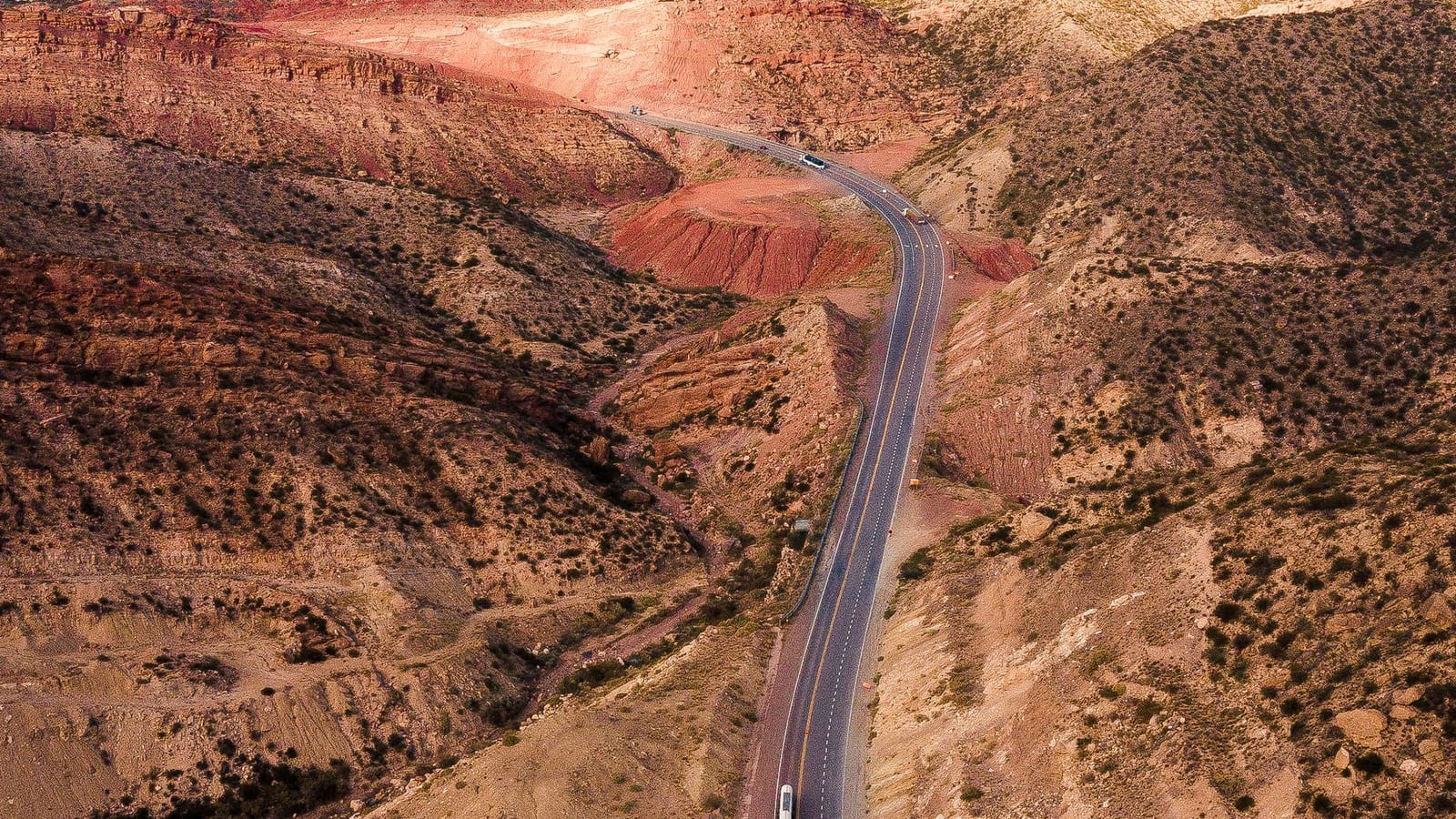
Access to the Kyrgyzstan corridor
The Irkeshtam crossing links the Kashgar region directly with Kyrgyzstan, giving western China a second exit alongside the Kazakhstan crossings.
Chinrah coordinates cross-border road freight from Kashgar in western Xinjiang to Tehran, through the Kyrgyzstan corridor rather than Kazakhstan.
Border crossings, vehicle and transit countries are confirmed for each shipment. The corridor shown on this page is illustrative.
Route overview
A western Xinjiang gateway, four frontiers and an inland Iranian destination — by road the whole way.
Why Kashgar
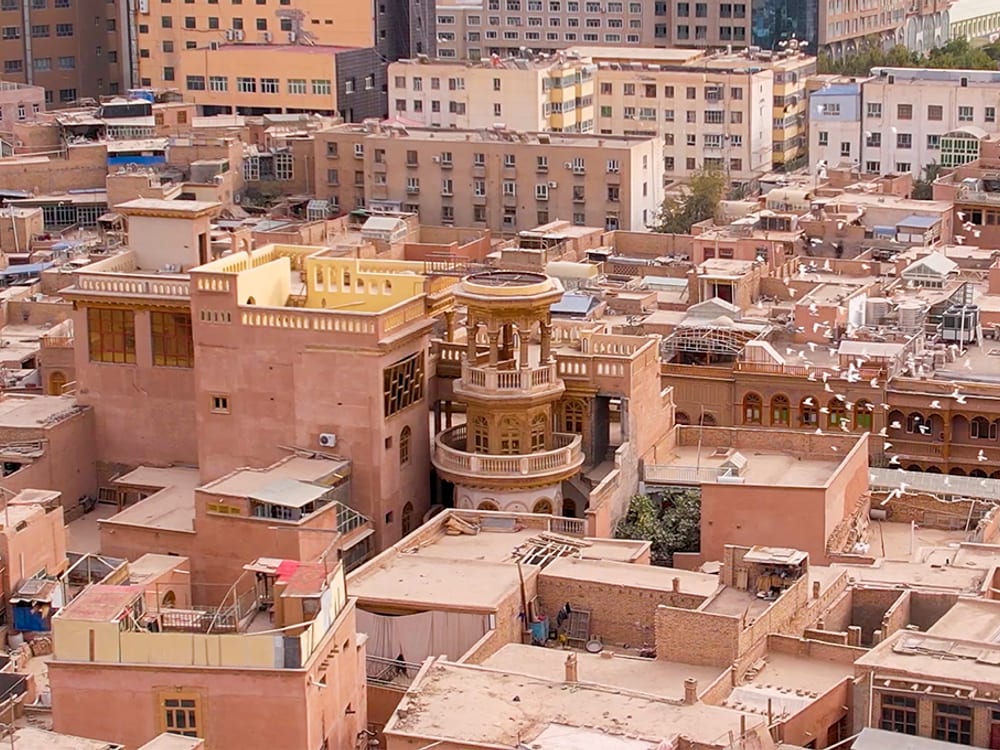
Kashgar is the last Chinese city before the Central Asian passes, and the shortest domestic leg for western Xinjiang cargo.
The Irkeshtam crossing links the Kashgar region directly with Kyrgyzstan, giving western China a second exit alongside the Kazakhstan crossings.
The Kashgar–Kyrgyzstan route can be evaluated when a shipment needs an option that does not pass through Kazakhstan. Route selection still depends on permits and carrier arrangements.
Cargo from Kashgar, Urumqi and the surrounding region shortens its domestic leg instead of being trucked or railed east before it heads west.
No port, no vessel and no gauge change: one trailer carries the cargo across the frontiers, subject to permits and transit procedures.
Both exits are viable. Which one we use is a decision for the shipment, not a fixed product.
Before the border
Before a trailer crosses at Irkeshtam, the goods have to reach Kashgar, be checked and be declared out of China.
Cargo is picked up from the supplier or factory and moved to the receiving point agreed in the booking — a warehouse, a yard or the carrier's loading dock in Kashgar.
Descriptions, package counts, gross weight, dimensions and shipping marks are compared with the packing list before anything is loaded.
The China export declaration and its supporting documents are filed with the broker at the confirmed exit point, before the vehicle reaches the border.
Cargo is loaded, sealed and handed to the international road carrier, subject to vehicle availability and acceptance of the goods.
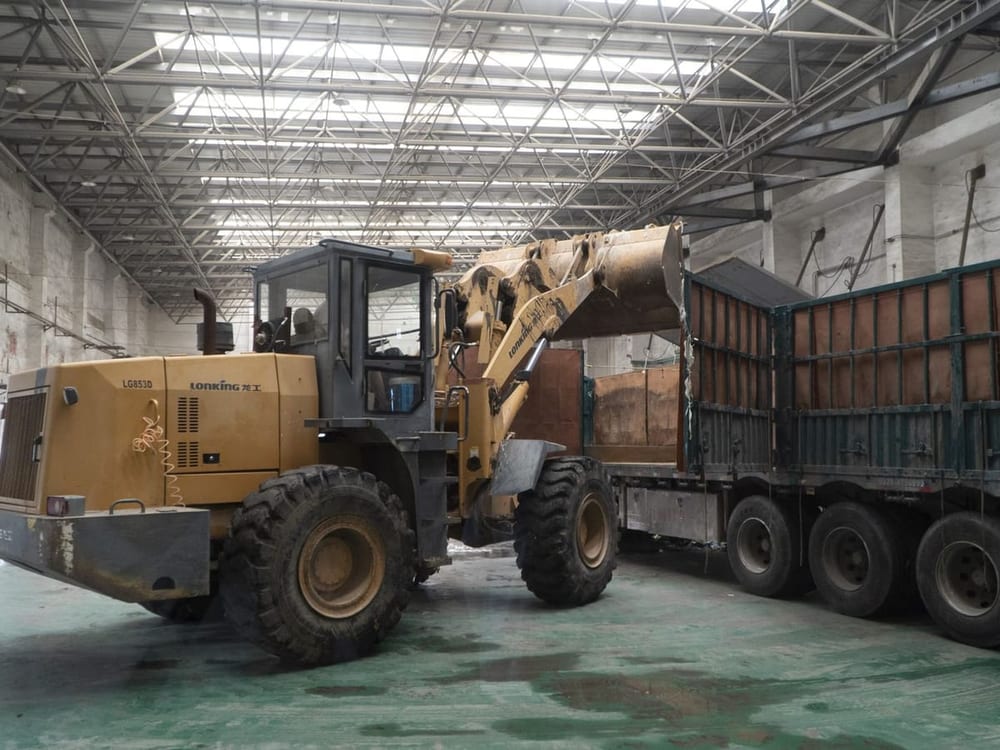
Kashgar receiving points and loading yards are arranged per booking through our local partner. We do not operate our own warehouse there; the address is confirmed in writing before cargo moves.
Cargo arriving from eastern or southern China needs 5–7 days of domestic transport before it can be loaded.
The corridor
A possible routing through Kyrgyzstan, Uzbekistan and Turkmenistan. Each frontier and crossing is confirmed per shipment.
The dashed line is a schematic corridor, not a road map: distances, crossing points and the sequence vary by carrier.
Cargo is received in Kashgar, declared for export and loaded. The trailer leaves through the confirmed China–Kyrgyzstan crossing at Irkeshtam.
From the border the road runs south through Osh and the Fergana valley. Transit documents, vehicle permits and border procedures apply.
The haul continues through the confirmed Central Asian transit countries, with a transit declaration and a permit check at each frontier.
After entry at the confirmed Iranian crossing, the cargo moves under the agreed customs arrangement toward Tehran.
The corridor above is schematic. Border access, transit permits and carrier authorisation are verified for the shipment, not assumed from the map.
Border coordination
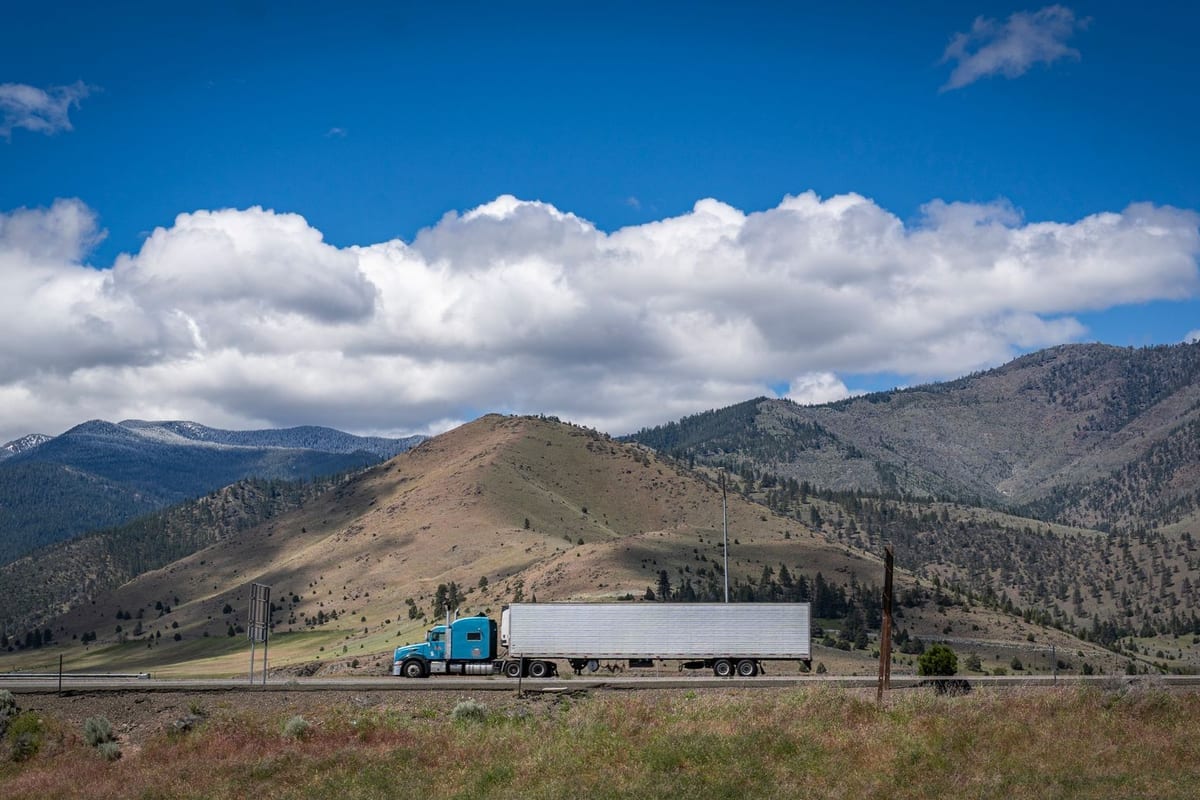
No other China–Iran lane crosses as many frontiers. Each one has its own documents, permit and queue.
Export declaration, packing list and licence checks at the confirmed exit point.
Irkeshtam access, driver entry and the handover of the trailer or the cargo to the onward carrier.
Transit declaration, vehicle permit and the road leg through Osh and the Fergana valley.
A second transit regime with its own declaration and a crossing at the confirmed point.
Transit permit and escort rules are checked before dispatch — often the tightest leg on the route.
Entry at Sarakhs or the crossing the carrier uses, with the import documents already in place.
Vehicle authorisation, whether TIR or CMR applies, and any restriction on the commodity.
Every border arrangement depends on current regulations, permits and carrier authorisation. We confirm them per shipment; nothing on this page guarantees passage.
Trailer or groupage
A dedicated trailer for volume, shared capacity for smaller cargo — both on the same corridor.
One trailer, one shipper
Groupage, subject to consolidation
A full trailer for 15 tonnes or more, or cargo from about 60 CBM upward. Groupage for a few pallets — but ask about the consolidation date first, because on this corridor LTL waits for volume.
Both options share the same border crossings and documents; only the way the trailer is filled changes.
Transit time
Fourteen to twenty days door to door is the reference range. The table shows where those days go.
| Stage | Typical days | What it includes |
|---|---|---|
| Kashgar handling | 2–3 | Collection, checking, export declaration and loading |
| China–Kyrgyzstan border | 1–2 | Export formalities, inspection and the crossing at Irkeshtam |
| Central Asia transit | 7–9 | Kyrgyzstan, Uzbekistan and Turkmenistan, with a transit declaration in each |
| Iran entry | 1–2 | Border procedures and the start of the customs process |
| Tehran delivery | 3–4 | Inland haul, clearance and unloading at the agreed address |
A trailer held two days at Irkeshtam moves the arrival date with it. We quote a range, and when it slips we update the estimate instead of restating the promise.
Figures run door to door from cargo pickup in Kashgar. Border-to-border arrangements are shorter; add 5–7 days when cargo still has to come from eastern China.
Cargo
General commercial freight, machinery and project cargo — with regulated goods assessed before booking.
Industrial equipment, production lines and the parts that keep them running, loaded and lashed for a long road leg.
Tiles, fittings, profiles and tools bound for construction projects in Tehran and western Iran.
Cables, switchgear, appliances and lighting, packed against dust and vibration.
Rolls and finished garments from Xinjiang and inland mills, usually as groupage.
Components and accessories for assembly and after-sales, palletised for easy handover.
Oversized or heavy pieces quoted individually once dimensions, lifting points and route restrictions are known.
Batteries, chemicals, temperature-controlled cargo, dangerous goods and anything oversized need a written review. Send the HS code, packing details and safety documentation before we quote.
Cargo acceptance depends on the carrier's licence for every transit country, not only on the commodity itself.
Cost
Seven inputs decide the price. Weight and route matter most; the border charges are the ones customers underestimate.
Gross weight, CBM and loading metres — a road trailer fills up before it weighs out.
Curtain-side, box, flatbed or low-bed, and whether the trailer is dedicated or shared.
Packaging, lashing, crane or forklift time, and any special loading requirement.
Permits, transit declarations and the fees each country levies on the vehicle.
The confirmed corridor, the crossings used and the conditions on them today.
Collection in China, checking, the export declaration and loading in Kashgar.
Iranian clearance, unloading and the inland haul to the final address.
Rates are confirmed per shipment: capacity and border charges move faster on this corridor than on a sea lane.
Send cargo detailsHow it works
Six steps from enquiry to delivery. Which party performs each one depends on the agreed scope.
Send the commodity, HS code, gross weight, volume, package dimensions and the Iranian delivery address.
We check cargo eligibility, the crossing, the transit countries and whether a trailer or groupage fits.
Cargo is collected, checked against the documents and received at the confirmed Kashgar facility.
China export formalities are completed, the trailer is sealed and handed to the international carrier.
The trailer crosses Kyrgyzstan, Uzbekistan and Turkmenistan under the confirmed transit documents.
Border procedures, Iranian clearance and the inland haul to the address agreed in Tehran.
A change of carrier or crossing is possible mid-plan if a border closes — it is a different quotation, not a free substitution.
Documents
Three document sets, one per frontier — China export, Central Asian transit and Iranian import.

CMR and TIR are not interchangeable: CMR is the road consignment note, TIR is a customs transit system. Whether either applies depends on the countries, the carrier and the shipment — we confirm it, we do not assume it.
Destination
The trailer does not finish at the border. Entry point, clearance and the last miles are part of the plan.
Where the trailer enters Iran
Entry at the crossing the carrier uses — Sarakhs on most current routings — with the documents checked against the manifest.
IRICA clearance
Import documents are reviewed with the importer or a licensed broker; duty and VAT are settled before release.
The last leg
Released cargo is hauled to a warehouse, factory or the importer's address, with unloading agreed in advance.
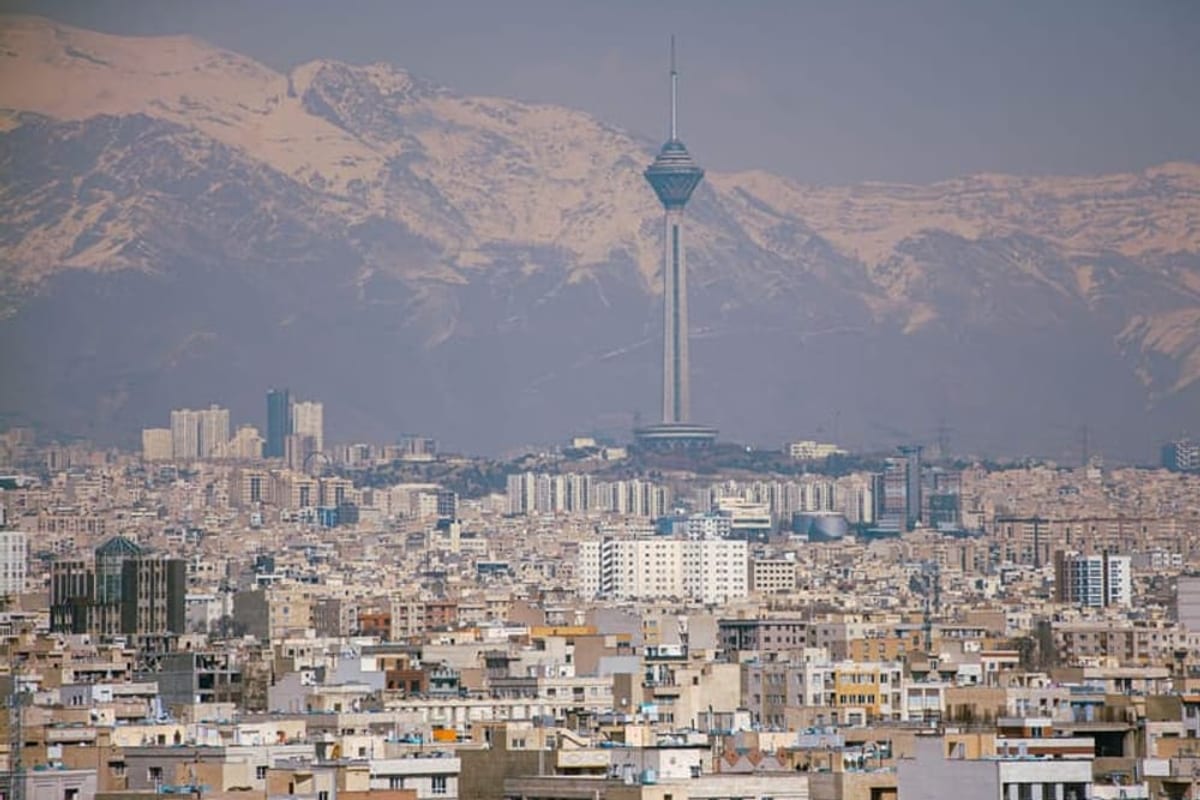
The Iranian entry point and customs terminal are confirmed per shipment; this page does not fix them.
Kashgar or Khorgos
Both reach Tehran overland. They leave China at different borders and cross different countries.
| Kashgar corridor | Khorgos corridor | |
|---|---|---|
| China exit | Irkeshtam, subject to confirmation | Khorgos or Altynkol, subject to confirmation |
| Main transit direction | Kyrgyzstan, then Uzbekistan and Turkmenistan | Kazakhstan, then Uzbekistan and Turkmenistan |
| Best cargo origin | Kashgar and western Xinjiang | Cargo routed through northern or central China |
| Main consideration | Mountain roads and Kyrgyz transit permits | The busier Kazakhstan corridor and its queues |
| Modes on the lane | Road; rail is a separate lane | Road and rail |
Neither corridor wins in the abstract. Cargo origin, transit permits, carrier capacity and the season decide — and where the answer is close, we price both.
See the Khorgos corridorWhy Chinrah
Not a rate card with a map on it — a corridor checked against your cargo before anything is booked.
We compare the exits and the available carriers against your cargo, not against a published schedule.
Collection, checking and the export declaration are coordinated in one place before the trailer moves.
Transit declarations and permits are tracked frontier by frontier, so nothing is discovered at the border.
The last miles are planned together with the clearance, not bolted on after it.
Discuss your shipment
Send the cargo details and we reply with the corridor, the vehicle and a written rate.Questions
What shippers ask before booking a truck on this corridor.
Quote
Send the cargo description and we reply with the corridor, the vehicle and a written rate. Add the delivery address if you have it.
China–Central Asia–Iran road freight · FTL trailers · LTL groupage · Irkeshtam corridor · Tehran delivery